
Creating a garden that flows seamlessly is more than just arranging plants—it’s about crafting an environment that feels cohesive, inviting, and purposeful. Whether you have a small backyard or an expansive estate, understanding how to establish flow in your garden can transform it into a tranquil oasis that delights the senses and enhances your outdoor experience. Here’s a comprehensive guide to help you achieve flow in your garden:
1. Define Your Garden’s Purpose and Theme
Before diving into design details, clarify the purpose and theme of your garden. Are you aiming for a formal English garden with structured pathways and clipped hedges, or do you prefer a naturalistic landscape with meandering paths and native plants? Define whether your garden will primarily serve as a space for relaxation, entertaining, growing food, or a combination of purposes. This clarity will guide your design decisions and ensure coherence throughout the space.
2. Plan Pathways for Natural Movement
Pathways are the arteries of your garden, guiding visitors through various areas and defining its flow. Design pathways that follow natural lines and encourage exploration, avoiding straight lines unless necessary for practical reasons. Use materials such as gravel, flagstone, or mulch to delineate paths and complement the overall theme of your garden. Curved pathways create a sense of intrigue and discovery, while junctions and focal points can serve as pauses that encourage contemplation.
3. Create Zones with Functional Layouts
Divide your garden into distinct zones based on their intended use and microclimates. For example, designate areas for dining, lounging, gardening, and play. Arrange these zones in a logical sequence that facilitates effortless movement between them. Consider factors such as sunlight exposure, soil conditions, and proximity to water sources when determining the placement of plants and functional elements like seating, pergolas, or water features.
4. Establish Visual Continuity with Plantings
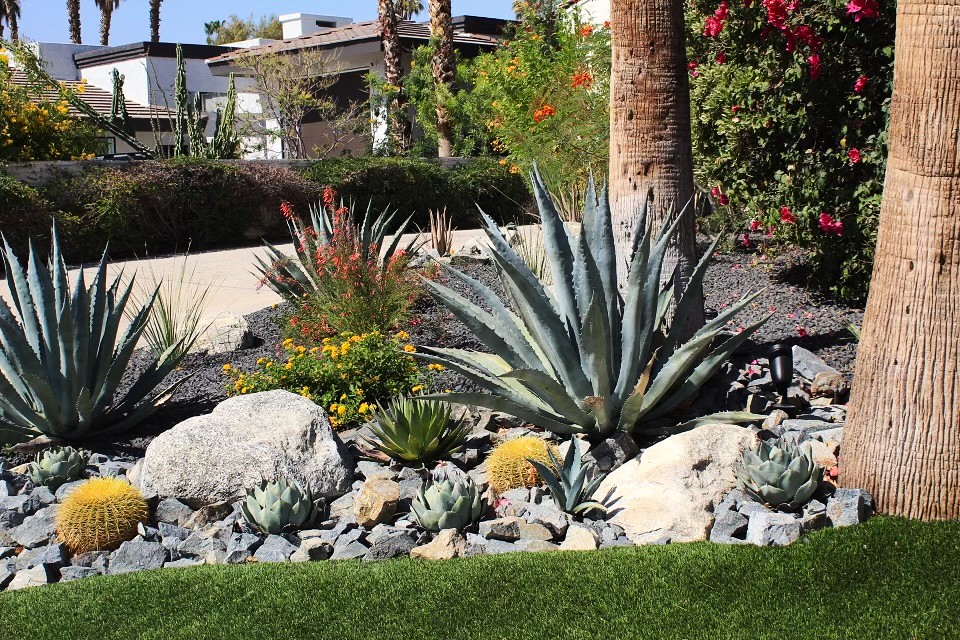
Plants play a crucial role in establishing flow and visual continuity in your garden. Choose a cohesive color palette and plant textures that complement each other and reflect your garden’s theme. Layer plants according to height, with taller specimens at the back and lower-growing plants at the front to create depth and perspective. Incorporate repeating elements, such as ornamental grasses or flowering shrubs, to create rhythm and unify different areas of the garden.
5. Incorporate Vertical Elements for Interest
Vertical elements such as trellises, arbors, and pergolas add verticality to your garden and create opportunities for visual interest and shade. Train climbing plants like roses, clematis, or jasmine to ascend these structures, adding a sense of enclosure and intimacy. Place vertical elements strategically to frame views, define transitions between garden spaces, and create shaded retreats that invite relaxation and contemplation.
Conclusion: Designing a Garden that Flows
In conclusion, establishing flow in your garden involves thoughtful planning, cohesive design elements, and a deep understanding of how space and movement interact. By defining your garden’s purpose, planning natural pathways, creating functional zones, selecting harmonious plantings, and incorporating vertical elements, you can create a garden that not only flows seamlessly but also enhances your overall outdoor experience.
Ready to transform your outdoor space into a harmonious haven? Consult with a professional landscape designer to bring your vision to life and create a garden that reflects your personality and lifestyle. Embrace the principles of flow in your garden design, and watch as your outdoor sanctuary becomes a place of beauty, tranquility, and inspiration for years to come.


