Sequencing Harmony: Elevating Landscape Design with Environmental Consciousness
In the realm of landscape design, the artistry of creating outdoor spaces transcends mere aesthetics; it embodies a thoughtful orchestration of elements that harmonize with nature. As we delve into the concept of sequence in landscape design, we uncover not just the visual appeal but also the crucial role it plays in promoting sustainability, water conservation, and environmental consciousness.
The Essence of Landscape Design
Landscape design is an intricate dance between art and science, where every plant, pathway, and structure contributes to a cohesive whole. At its core lies the principle of sequencing— the deliberate arrangement of elements to guide the viewer’s experience and enhance the functionality of the space. This approach goes beyond mere decoration; it ensures that each component serves a purpose, from enhancing biodiversity to minimizing water usage.

Water-Saving Strategies: A Key Component
In today’s world, where water scarcity is an increasing concern, integrating water-saving strategies into landscape design is not just prudent but necessary. Sequencing plays a pivotal role here by determining how water flows through the landscape, from capturing rainwater in strategically placed bioswales to utilizing permeable paving materials that allow water to seep back into the ground. These practices not only reduce runoff but also replenish groundwater reserves, fostering a more sustainable ecosystem.

Environmental Consciousness Through Plant Selection
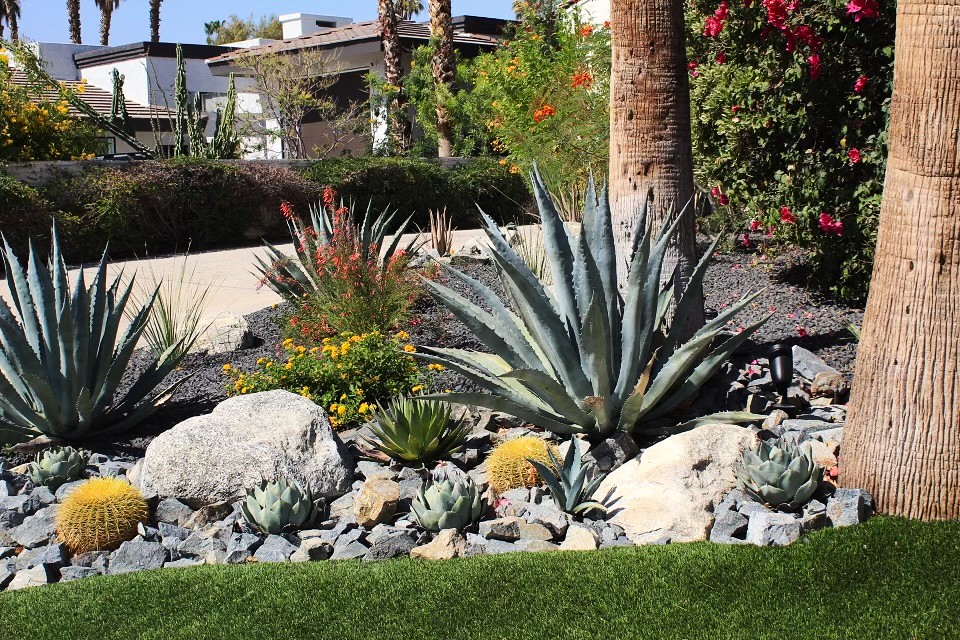
Central to any landscape design is the selection and arrangement of plants. Sequencing involves choosing species that are native or drought-resistant, thereby reducing the need for excessive irrigation and chemical inputs. By incorporating a variety of plants with staggered bloom times and textures, designers create visual interest throughout the seasons while supporting local biodiversity. This approach not only conserves water but also minimizes maintenance requirements, aligning with environmentally conscious practices.
The Role of Hardscaping in Sequencing
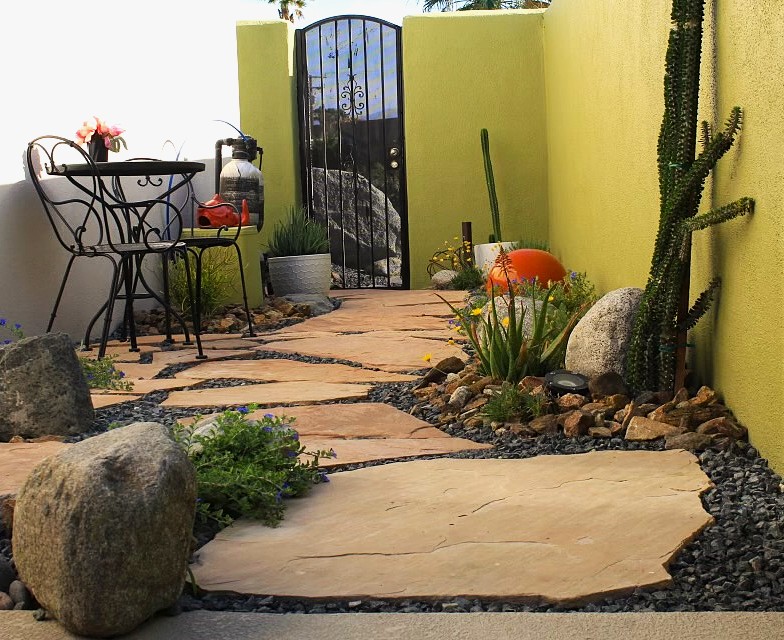
While plants form the backbone of landscape design, hardscaping elements such as pathways, walls, and structures provide structure and functionality. Sequencing these features involves considering their placement in relation to the natural flow of the landscape and the intended use of the space. Utilizing materials with high recycled content or those sourced locally reduces the environmental footprint associated with construction while integrating seamlessly into the overall design concept.
Harmonizing Form and Function
Effective sequencing in landscape design achieves a balance between form and function. It ensures that each element serves a dual purpose: contributing to the visual appeal of the space while enhancing its usability and sustainability. For instance, integrating edible gardens into residential landscapes not only provides fresh produce but also promotes food security and reduces food miles, thus supporting a more environmentally conscious lifestyle.
Designing for Longevity and Resilience
In an era marked by climate change and urbanization, designing landscapes that are resilient to environmental stressors is imperative. Sequencing resilient plants and materials ensures that the landscape thrives in varying conditions, from intense heatwaves to heavy rainfall. This proactive approach not only minimizes the need for resource-intensive maintenance but also future-proofs the design against climate uncertainties, embodying a forward-thinking approach to environmental stewardship.

Conclusion: Embracing Sequencing for Sustainable Landscapes
In conclusion, sequencing in landscape design transcends the mere arrangement of elements; it embodies a philosophy of environmental stewardship and sustainable living. By integrating water-saving strategies, selecting environmentally friendly materials, and promoting biodiversity through thoughtful plant selection, designers can create landscapes that not only inspire but also contribute positively to the ecosystem. As we continue to navigate the challenges of the 21st century, embracing the principles of sequencing ensures that our outdoor spaces are not just beautiful but also sustainable sanctuaries for generations to come.
Whether you are a homeowner looking to transform your backyard oasis or a landscape professional seeking to enhance public spaces, the art of sequencing holds the key to creating landscapes that are both visually stunning and environmentally responsible. Let us embark on this journey together, where design meets sustainability, and every element serves a purpose beyond its aesthetic appeal. Together, we can shape a greener, more sustainable future—one landscape at a time.